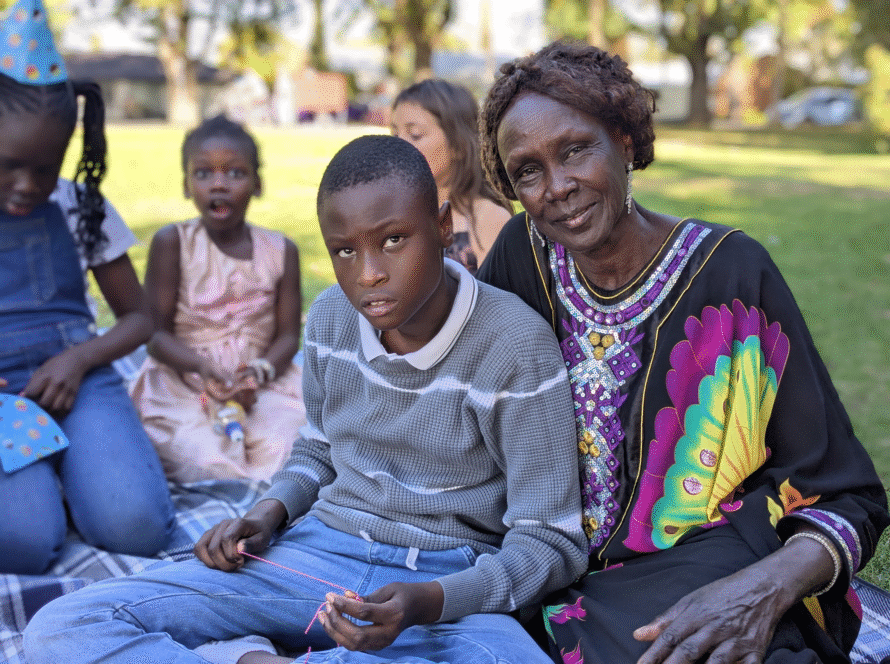

For many families and individuals with disability, especially those from Culturally and Linguistically Diverse (CALD) backgrounds or living with mental health and complex support needs, accessing the National Disability Insurance Scheme (NDIS) can be overwhelming, stressful, and isolating.
While the NDIS aims to provide tailored support and greater independence, the reality on the ground often looks very different — particularly for those navigating language barriers, cultural stigma, complex terminology, and intersecting challenges.
Complex Systems, Complex Stress
The NDIS is built on a language and process that many find confusing and bureaucratic. Terms like goals, reasonable and necessary, plan management and support coordination have specific meanings within the Scheme, and are not always intuitive — especially when English isn’t a first language or when families are already managing significant stress at home.
This complexity isn’t just inconvenient: it affects participation. Evidence from parliamentary inquiries shows that many people from CALD backgrounds struggle to prepare for planning meetings or understand what is expected at each stage of the process.
For individuals living with psychosocial disabilities or mental health conditions, these bureaucratic hurdles often intersect with emotional and cognitive load — making it even harder to engage with the system effectively.
Language and Cultural Barriers
A major barrier for CALD families is language and communication. The Scheme does not mandate translated documentation, and many materials remain unavailable in community languages — unlike other government services such as Centrelink.
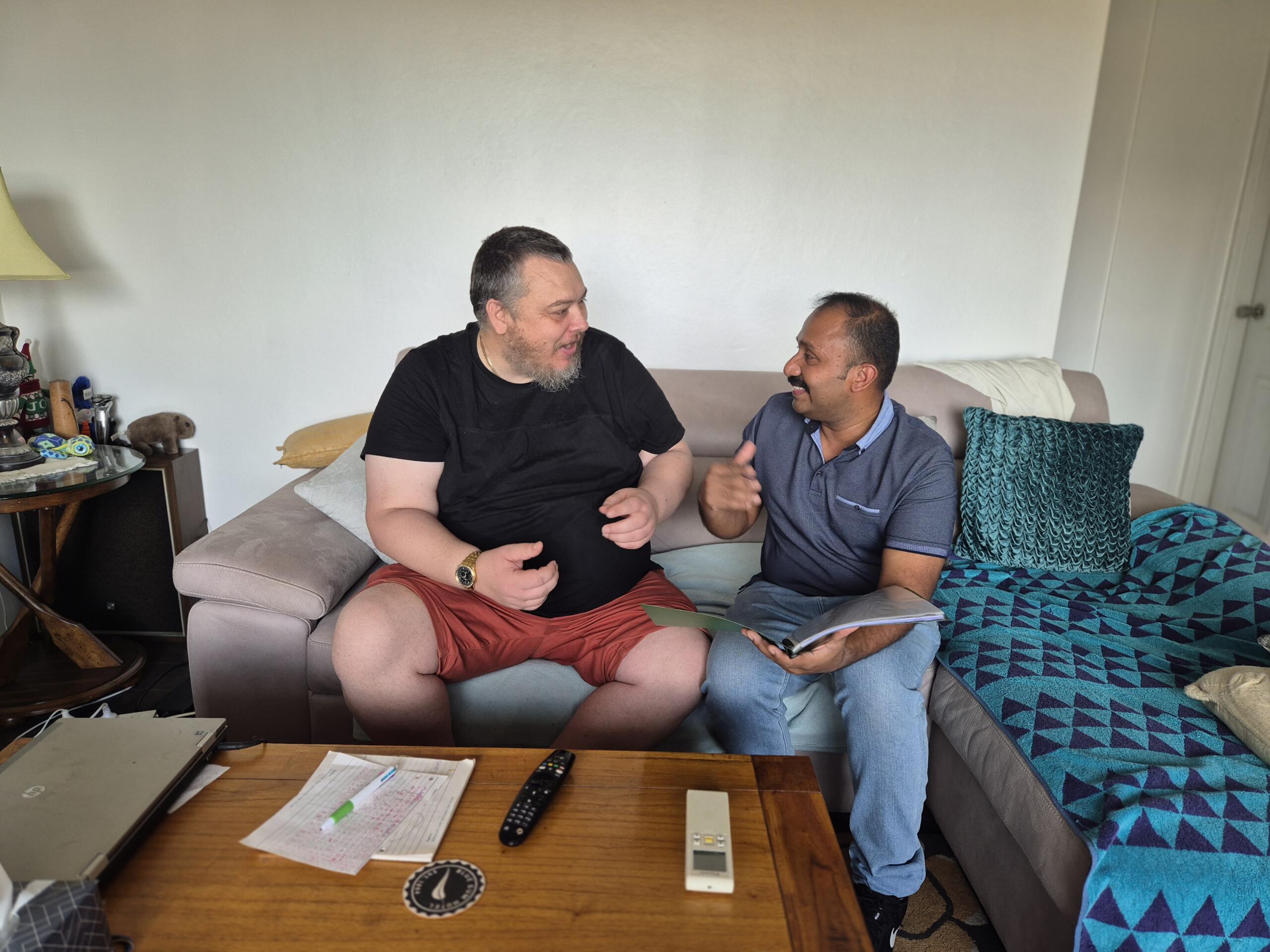
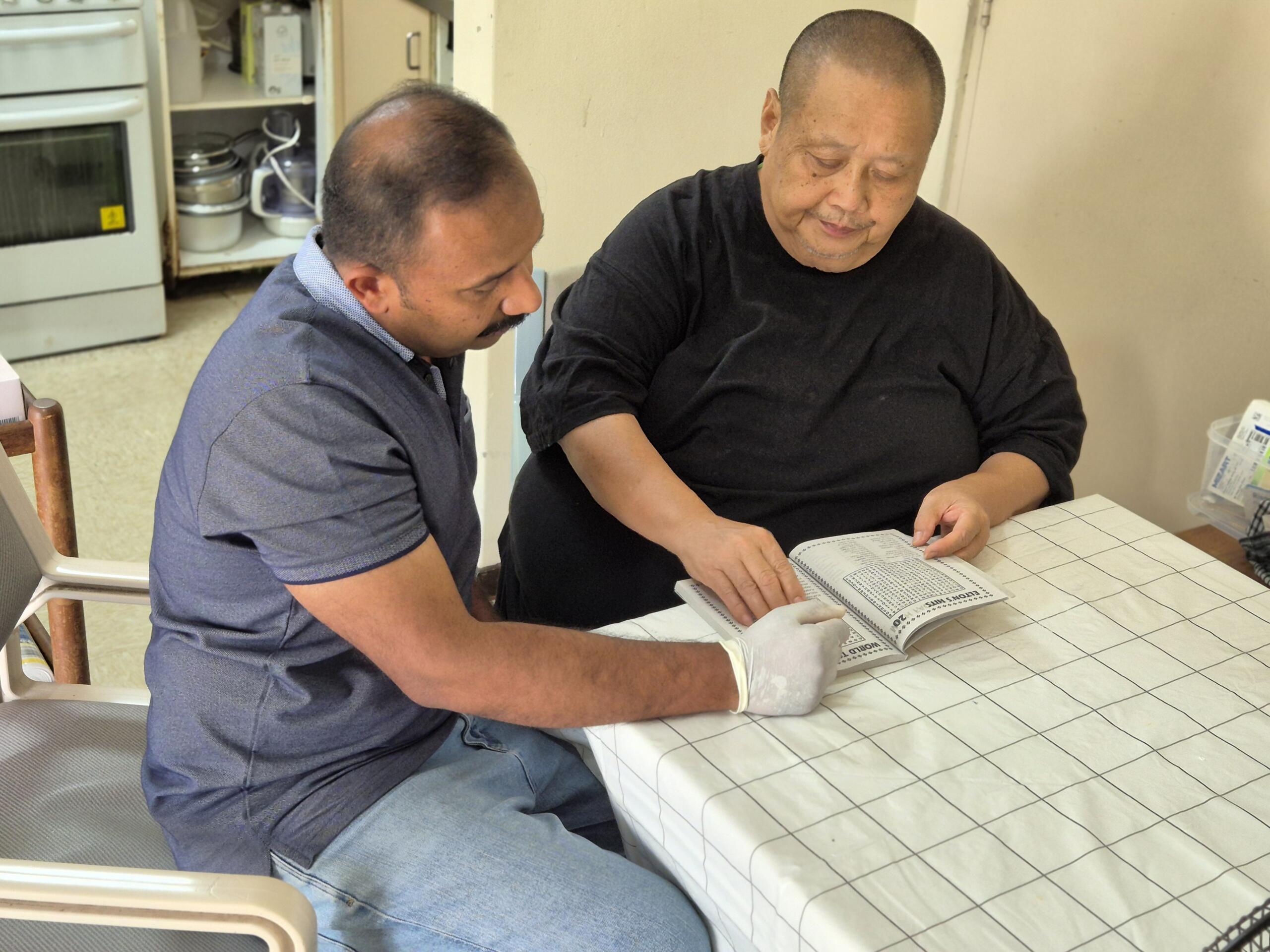
Without interpreters or culturally tailored information, many participants feel shut out of key conversations about eligibility, planning and supports. This is compounded when local coordinators or planners lack cultural awareness, resulting in miscommunication or discouraging interactions during planning meetings.
Stigma, Culture, and Mental Health
Beyond language, cultural beliefs and stigma significantly influence how disability is perceived and discussed. In some cultures, disability — particularly psychosocial disability — may carry shame, misunderstanding, or invisibility, making it harder for families to seek help or describe their experiences.
Studies also show that people from diverse communities often have different understandings of mental health, affecting help‑seeking behaviour and engagement with mainstream systems. This can result in late access, misunderstanding of needs, and feelings of alienation from services.
Intersecting Barriers: Mental Health, Complexity and Geography
For people with mental health conditions or complex support needs, the path to adequate support is not linear. Many experience hurdles such as:
- Insufficient understanding of psychosocial disabilities within the NDIS framework, leading to underfunded plans or unclear support packages.
- Limited availability of suitably qualified providers, especially in regional or remote areas.
- Administrative burdens that can drain emotional resources (e.g., paperwork, planning meetings, evidence requirements).
- Geographic and socioeconomic disparities, where rural families face fewer services and higher travel costs.
These challenges compound when individuals have multiple overlapping needs (e.g., mental health, disability, cultural stress), making the NDIS experience not just complex but deeply personal and exhausting.
Stigma and Trust
Stigma — both within communities and in broader society — continues to shape how disability is understood and navigated. Internalised stigma (negative beliefs absorbed about disability) can discourage people from seeking support, advocating for their needs, or even acknowledging their experience as a disability.
For many CALD families, distrust of government systems (stemming from past experiences in Australia or overseas) can also reduce engagement with the NDIS, leaving people under‑supported or entirely unaware of available pathways.
Progress and What Helps
Recognising these barriers, the NDIS has developed a Cultural and Linguistic Diversity Strategy 2024–2028, co‑designed with participants and families, to improve accessibility, communication and engagement for CALD communities.
However, successful engagement often still depends on local advocacy, culturally responsive support coordinators, community education, and peer support networks — all of which can help families and individuals interpret complex terminology, prepare for planning, and feel more confident in seeking what they need.
Final Thought
Accessing the NDIS should empower individuals and families, but for many, the journey is fraught with complexity, cultural barriers, and emotional strain. Understanding these challenges — and sharing evidence‑informed insights — is an important step toward building a system that is truly accessible, equitable, and responsive to the diverse lives it intends to support.